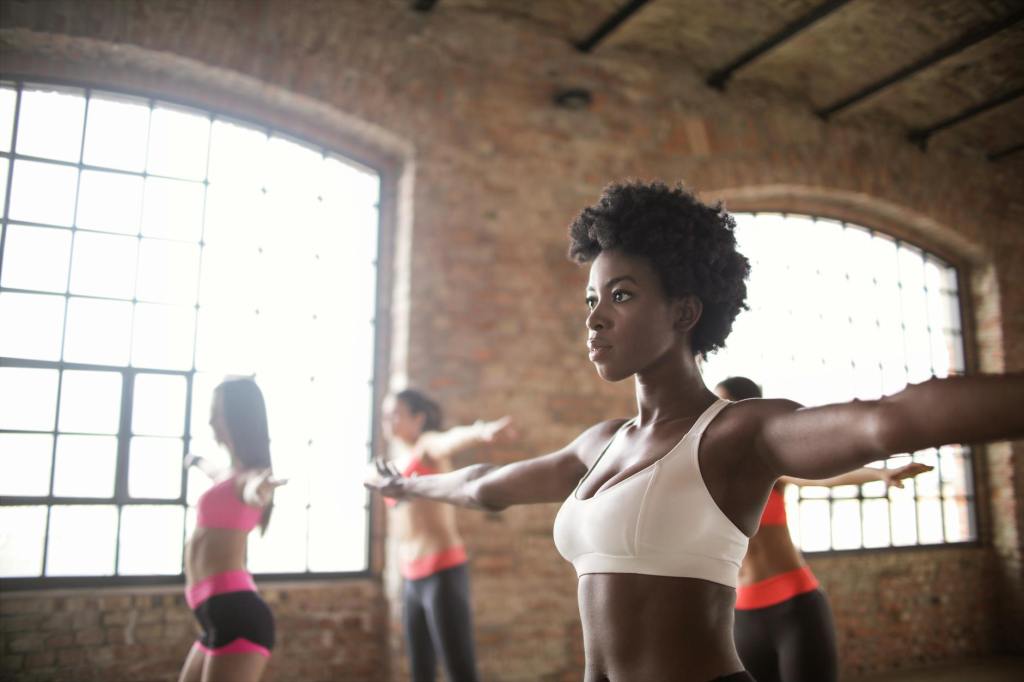
From yoga studios to meditation apps to juice cleanses, it seems like everyone is invited to the wellness party. But beneath the surface, wellness isn’t always as inclusive as it looks. Wellness culture has exploded in recent years, promising better health, balance, and peace.
For many marginalized communities—people of color, people in the LGBTQ+ community, those with disabilities, and low-income individuals—traditional wellness spaces often feel inaccessible or even unwelcoming. This isn’t just about affordability, though that’s a big piece. It’s also about culture, representation, and systemic barriers.
Take, for example, a yoga class where the instructor assumes everyone has flexible joints or can afford expensive activewear. Or a wellness influencer who talks only about solo retreats and expensive supplements, ignoring that many people juggle multiple jobs and caregiving duties. These messages create invisible walls.
The wellness industry sometimes promotes a narrow idea of health that prioritizes aesthetics, productivity, and individual responsibility over systemic factors like racism, economic inequality, and trauma. This can leave many people feeling like wellness is something “other” people get to have—a luxury, not a right.
Furthermore, some wellness narratives can unintentionally reinforce harmful stereotypes. For instance, the “strong Black woman” trope can discourage Black women from seeking rest or therapy, while certain body positivity movements may overlook the unique challenges faced by disabled or neurodivergent people.
True wellness is radical when it’s inclusive—it recognizes and addresses these disparities. It centers accessibility, affordability, and cultural competence.
What would inclusive wellness look like? Spaces where people see themselves reflected in leadership and marketing. Practices adapted for different bodies and abilities. Resources that consider financial constraints. Support systems that honor mental health alongside physical health. And most importantly, a community that welcomes diverse experiences without judgment.
If you want to make wellness more inclusive in your life or work, start by listening to voices from different backgrounds. Challenge your assumptions about health and success. And remember that wellness isn’t a one-size-fits-all journey—it’s a path we create together.
Wellness should be for everyone.
Takeaways
- Wellness Spaces Often Exclude Marginalized Communities-Despite its inclusive branding, wellness culture can alienate people of color, LGBTQ+ individuals, people with disabilities, and those with lower incomes due to systemic barriers, lack of representation, and assumptions about time, ability, and financial resources.
- Mainstream Wellness Promotes a Narrow Definition of Health-The industry often centers aesthetics, productivity, and individualism, ignoring structural issues like racism, economic inequality, and cultural differences—making wellness feel like a luxury rather than a right.
- Inclusive Wellness Requires Cultural Competence and Accessibility-True wellness centers diverse voices, offers adaptable practices, and considers affordability and mental health. Creating inclusive spaces means reshaping wellness to reflect a broader range of experiences and needs.
I appreciate you taking the time to read my post. If this was helpful, let me know in the comments, like or share this post with someone who needs it! To get notified when new posts are available, you can subscribe to my blog: Words of Wisdom! Life is hard, and I am here to help. To learn more about the services I offer, you can go here: BCS-therapeutic services.
Follow me on Social Media:
Instagram- @baileyclinicalservices
Facebook.com/BaileyClinicalServices
TikTok-@baileyclinicalservices
LinkedIn- linkedin.com/in/jenniferbailey
 jbaileytherapyservices@gmail.com
Leave a comment